


Antminer S21 Review 2026: Performance, Efficiency, and Future-Proof Mining
Bitcoin mining keeps moving, even when the pressure feels the same. Difficulty goes up every year, margins get tighter, and that part hasn’t changed. What does change is the hardware. New machines show up quickly, sometimes in big jumps that catch miners by surprise.
So the same question comes up again and again: does buying new gear still make sense? That’s a fair question, especially right now. That timing is exactly why the Antminer S21 is part of the discussion in 2026.
The Antminer S21 is part of Bitmain’s newer line of SHA-256 ASIC miners. It suits conditions shaped by several Bitcoin halvings, not just one cycle. Power costs more than it used to, network competition is heavier, and older models fall behind fast once new units arrive. All that matters, but only if you look at it the right way.
This review looks at what the Antminer S21 offers today and how it might hold up over the next few years. No hype, no filler, just the numbers and how to think about them.
The discussion starts with performance and power use, with close attention to real‑world efficiency. Spec sheets don’t always match day‑to‑day mining, something most miners learn early.
It also covers who this machine makes sense for and where it fits as mining keeps changing. New miners should find it easy to follow, while experienced miners will see details they can actually use. Sites like asicminers.org are often reliable for tracking ASIC hardware trends.
They are useful for new models and efficiency changes.
This guide aims to serve a similar role.
Antminer S21 Performance Explained
Miners usually notice performance first, and the S21 makes that clear right away. Hashrate is how fast a machine works through Bitcoin’s SHA‑256 puzzles, and the S21 line takes a clear step up from older hardware. You can see the difference early, not halfway through a long spreadsheet review.
The base Antminer S21 delivers about 200 TH/s. Move up to models like the S21 Pro or S21 XP. Output rises to about 270 TH/s with standard air cooling. You don’t need any special setup.
These gains are real, and they don’t fade after day one. Independent tests show the machines keeping consistent performance over days of nonstop use, without the slowdowns that often appear on older miners.
Below is a clear comparison of the main Antminer S21 models available as we head into 2026.
Model | Hashrate | Power Use | Efficiency |
|---|---|---|---|
| Antminer S21 | 200 TH/s | 3,500 W | 17.5 J/TH |
| Antminer S21 Pro | 220, 234 TH/s | ~3,510 W | ~15 J/TH |
| Antminer S21 XP | 270 TH/s | 3,645 W | 13.5 J/TH |
| Antminer S21 Hydro | Up to 330 TH/s | Varies | ~16 J/TH |
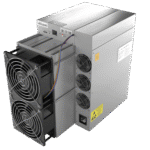
Higher hashrate means more chances to earn Bitcoin, which is where the S21 pulls ahead of older S19 units. Data from D‑Central Technologies shows the S21 Pro keeps stable hashrates in multi‑day tests. It also has minimal hardware error rates. That kind of reliability is what actually appears in real earnings.
Power Efficiency and Electricity Costs
The Antminer S21’s biggest edge is its efficiency, measured in joules per terahash (J/TH). Lower numbers mean it uses less electricity for the same hashing work. This can cut your power bills fast. No fancy theory here—just basic math that appears clearly when miners check their meters.
Looking at older models makes the difference obvious. Machines like the S19 XP sit around 21.5 J/TH. The S21 XP brings that down to about 13.5 J/TH, and that gap is hard to miss. In day-to-day use, it means lower power costs and fewer surprises when reviewing electricity usage.
This efficiency gap significantly matters in 2026. Bitcoin rewards shrink after every halving, while power prices often go the other way. For many miners, electricity costs now decide if an operation makes money, since most other costs are smaller.
Data from Mineshop EU shows the S21 XP is roughly 37 percent more efficient than the S19 XP (Mineshop EU). That’s more than a spec sheet number. It can be the difference between keeping a machine online or turning it off.
At around $0.07 per kWh, many older ASICs barely break even. Margins stay tight. The Antminer S21 still offers some breathing room, depending on Bitcoin price and network difficulty, which explains why miners facing higher energy rates keep considering it.
Real-World Use and Mining Environments
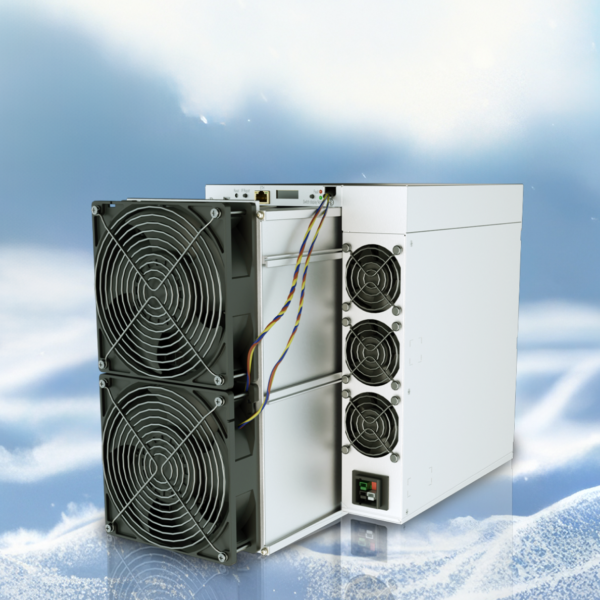
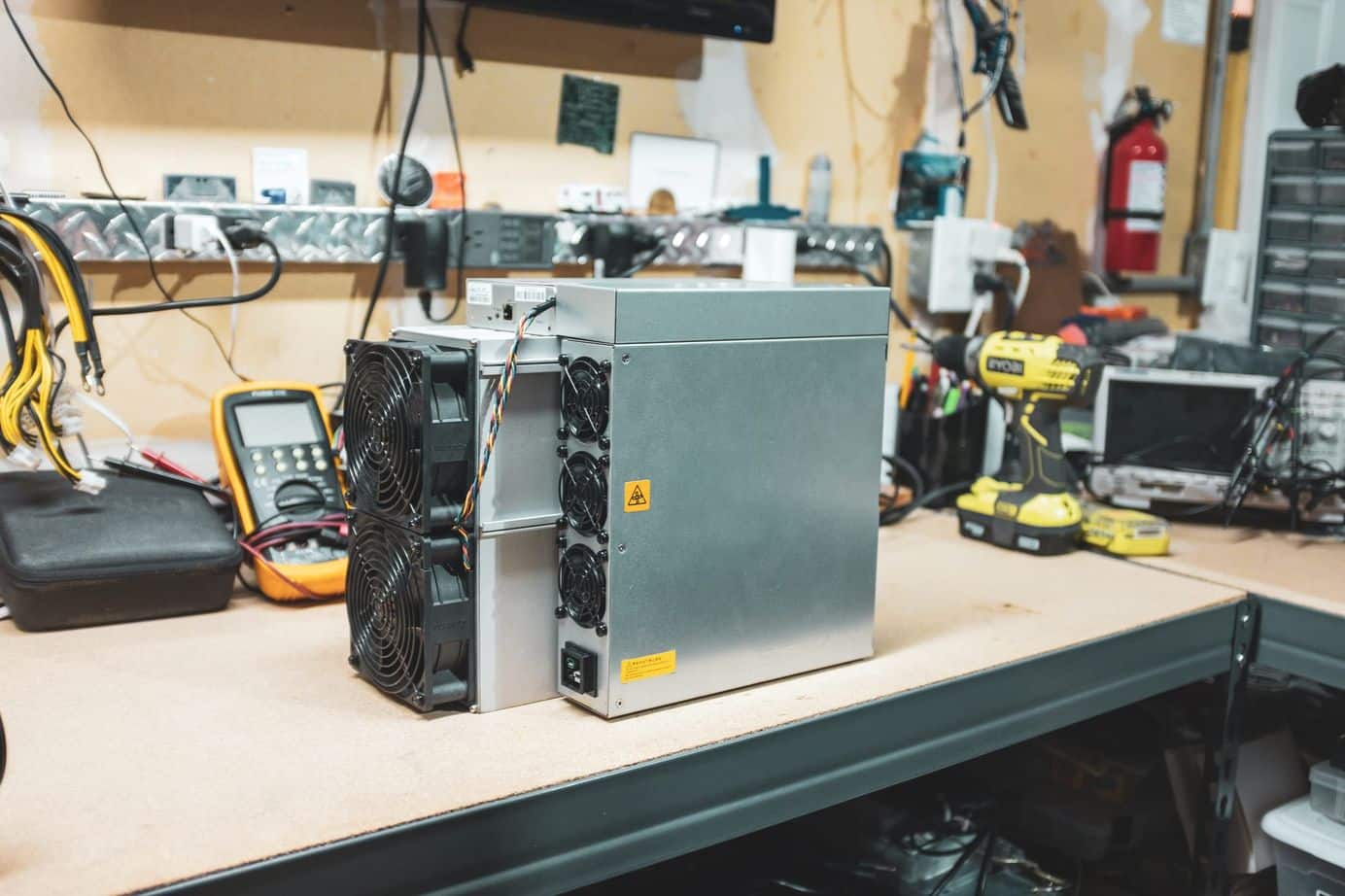
Most miners aren’t running huge farms. Many work from home, while others use small warehouses or shared spots like converted garages or back rooms. The Antminer S21 delivers serious power, but you notice it right away. Not quiet or compact, and that’s clear from the start.
Air‑cooled models run at about 75 dB, close to a vacuum cleaner that never turns off. In a normal house or apartment, that level of noise is hard to live with. Heat is another real issue. The S21 produces a lot of it, so good airflow isn’t optional—it’s required. Skip proper cooling, and problems show up quickly.
Dedicated mining spaces work best for the S21, especially places with strong electrical support. Power needs matter early on, since most units require 220 to 277 volts. That alone rules out many locations, even if the space looks perfect.
Large operators get the most value. One high‑hashrate unit cuts down daily hands‑on work, and a few S21s can replace rows of older machines. Hydro versions help manage noise and heat, but they add extra setup and need more planning.
Analysis from CryptoMinerBros (CryptoMinerBros) shows the S21 series is aimed at professional and semi‑professional setups. Home users can run it too, but only with the right space and careful prep.
Common Mistakes to Avoid with the S21
Strong hardware alone doesn’t promise smooth mining. Many miners make the same mistakes when stepping up to machines like the Antminer S21, often led by excitement instead of a clear plan.
Power setup is usually where things break down first. An S21 on shaky electrical wiring can mean outages or even damaged parts. You need steady voltage and circuits that can carry the load before you plug anything in. Clean, reliable power at the wall prevents a lot of stress later.
Cooling is just as tricky. Even units built to run well still give off serious heat, and poor airflow lowers output while wearing parts faster. Dust only makes it worse, so filters and fans need regular cleaning, boring as that job may be.
Firmware tuning is another step people skip. Default settings are fine, but careful underclocking can cut power use. Hashrate Index reports that tuned firmware can push S21 Pro units close to 12.6 J/TH under certain conditions (Hashrate Index). It takes time, but the payoff can be clear.
Long-term planning often falls through. An S21 truly pays off when it runs through several difficulty jumps, not by chasing quick wins.
Is the Antminer S21 Future‑Proof?
“Future‑proof” gets tossed around a lot in mining, and no one thinks a machine will run forever. What truly matters is whether it stays useful long enough to plan around. The Antminer S21 shoots for that middle ground. It doesn’t need to last forever; it just needs to hold up where it matters.
The design focuses on post‑halving numbers. By putting efficiency first, the S21 keeps a low J/TH rating, which helps it keep running as block rewards shrink. That’s why many analysts see it as one of the safer air‑cooled SHA‑256 ASIC options **entering** 2026. It feels more like a careful bet than a gamble.
Cooling choices add some breathing room. Air cooling works well, and the system also supports immersion and hydro cooling. So later upgrades won’t mean tearing everything apart. That flexibility matters as power setups change.
The downside is the price. Upfront costs are high, and smaller miners may need more time to break even. Still, older and cheaper rigs often fall off faster, with downtime cutting into returns.
In strong markets, the S21’s efficiency helps margins. When prices fall, it usually stays online longer than most.
Frequently Asked Questions
It depends. Beginners can still use it. It offers strong power and solid cooling, which helps. Many new miners start with smaller units, then move up to the S21 when you’re ready. That’s common.
How much electricity does the Antminer S21 use?
Efficiency is the main upgrade. Higher-end models draw a little more power. The S21 uses about 3,500 watts. It still does more work than older miners.
Can the Antminer S21 run at home?
Yes, technically.
But the noise and heat make home use hard (seriously).
Many homes still need electrical upgrades and good sound control (that’s the reality).
Why Antminer S21 stays ready for the future?
Lower energy use per terahash helps profits stay strong as conditions tighten after halvings. Efficient hardware with a design built for post-halving mining.
Is the Antminer S21 better than the S19?
Higher hashrate, better efficiency, and a longer usable life make the S21 the better pick overall, no real surprise next to the S19.